Nature Conservation · Since 2004
Child-Centered Climate Action
Securing the rights of Northern Uganda's children through restorative environmental stewardship: restoring ecosystems, building early warning systems, growing trees and creating green livelihoods.
Collaboration Framework
Partnering for Resilience
VISO is scaling its environmental programming to align with the Humanitarian-Development-Peace (HDP) Nexus. Our interventions in Northern Uganda focus on mitigating the climate risks that drive child displacement, malnutrition, and school dropouts.
- Indigenous Knowledge & Deep Local Reach
- Tech-Enabled Early Warning Systems
- Market-Based Conservation
Why it matters
A Landscape Under Pressure
Long dry seasons are changing what the land can give. Every image below was taken in the communities we serve.
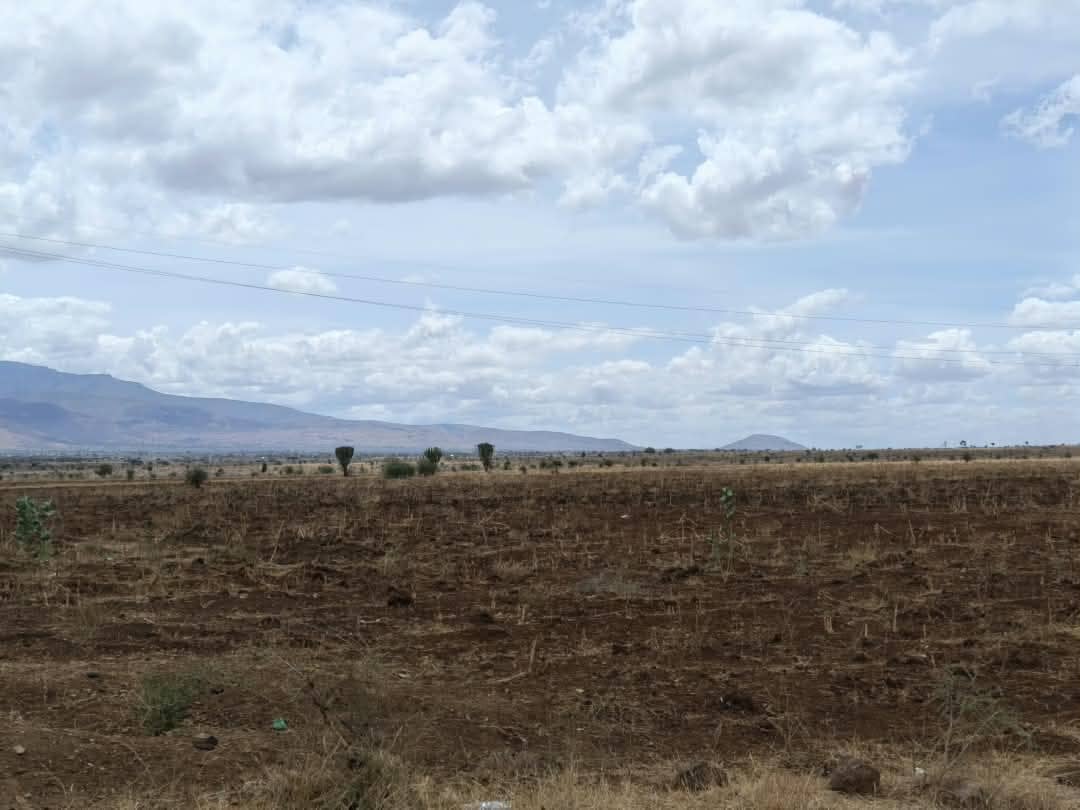
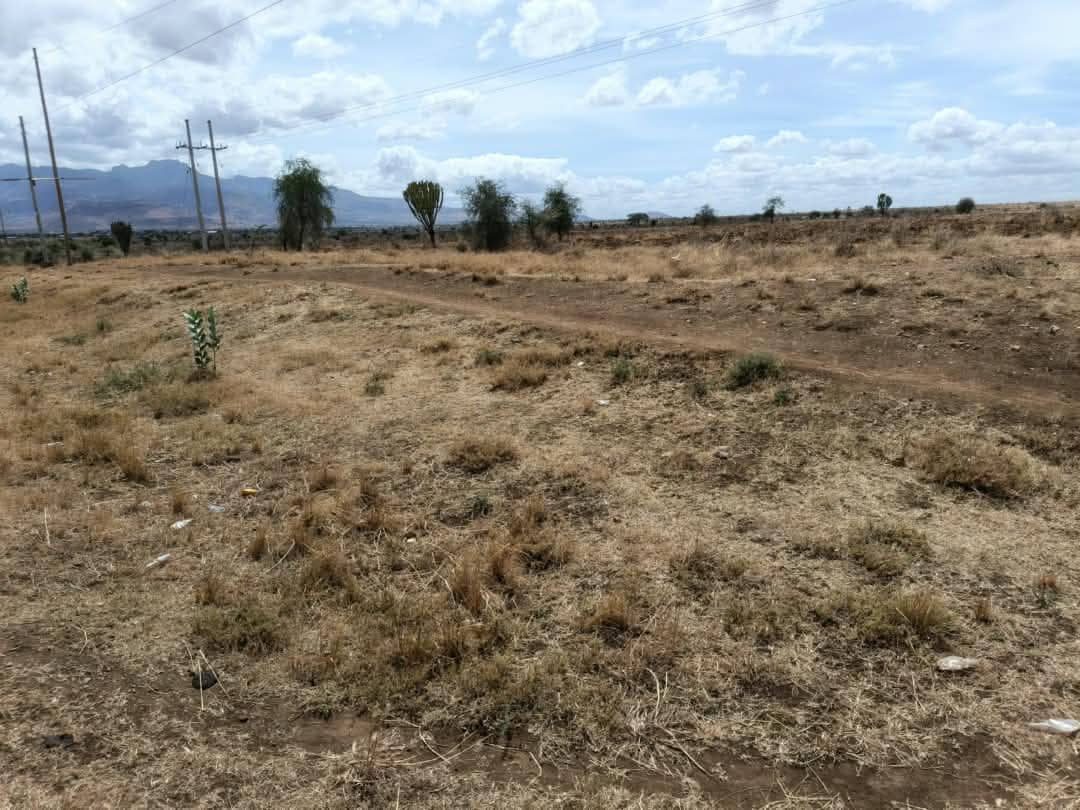
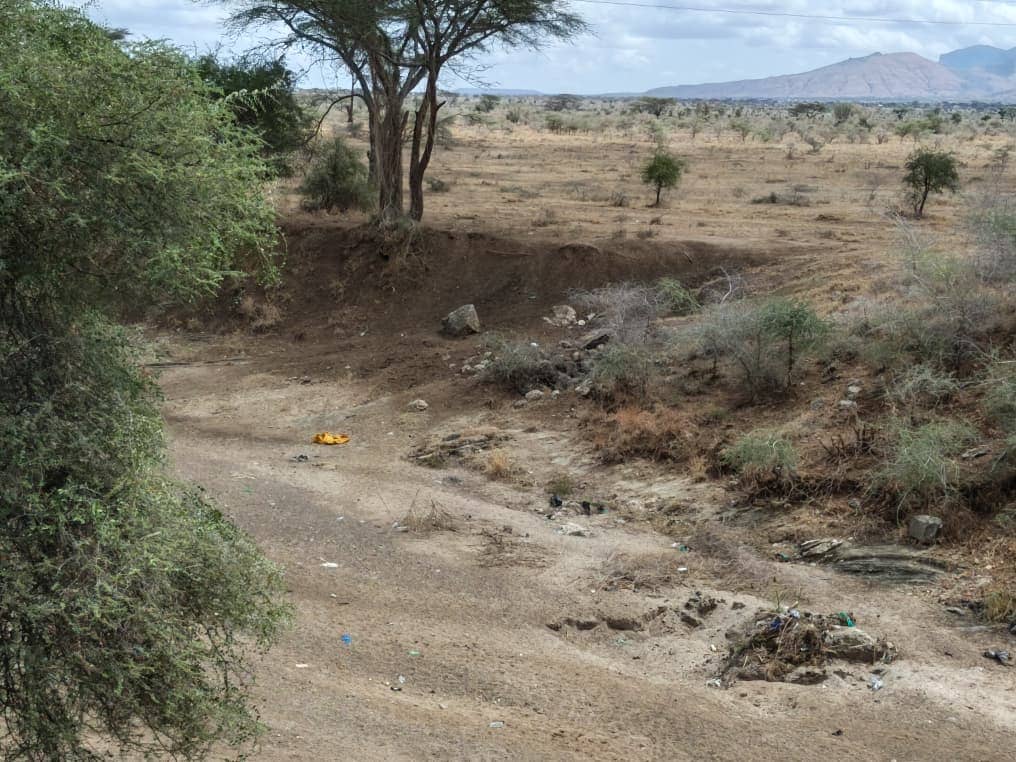
Child-Centered Climate Action
When the Land Dries, Schools Feel It First
A school in the middle of the dry season shows what is at stake. Hunger, heat and lost harvests pull children out of classrooms. VISO turns schools into centres of adaptation: green zones, tree nurseries, environment clubs, and platforms where children speak for themselves.
What We Do
Our Nature Conservation Activities
Nine interconnected initiatives protecting ecosystems, wildlife and the children who depend on them.
School Green Zones
Establishing fruit woodlots and micro-gardens in Gulu schools as "Living Classrooms" for climate-smart nutrition and environmental literacy.
Tree nurseries · Environment clubs · School water and hygieneClimate Variability Center
Using USSD and SMS-based technology to deliver hyper-local weather alerts to farmer cooperatives, enabling data-driven crop decisions.
Disaster risk alerts · Planting advisories · See how it worksClimate Risk Training
Capacity building for local leaders and youth groups to integrate climate risk assessment into community development plans.
Adaptation workshops · Green vocational skillingBio-Energy & Livelihoods
Converting agricultural waste into clean-burning bio-briquettes, reducing reliance on firewood and the risks of fuel collection for women and children.
Bio-briquettes · Circular AdvantageMarket-Based Conservation
Channeling revenue from VISO's online store into conservation and smallholder farmer support, linking enterprise to ecosystem restoration.
VISO's Sustainability · Farmer supportChildren's Climate Podcasts
Podcasts and discussions in which children talk about climate adaptation in their own voices: what they see, what worries them and what they want adults to do.
Child voices · Radio and podcastPay to Grow Tree Planting
Individuals who plant and keep trees alive are paid directly through their mobile money accounts, so every tree has a person who is rewarded for caring for it.
Mobile money · Tree survivalGreening Cities & Small Towns
Partnering with city and town authorities to plant shade trees, restore green spaces and green schools, markets and roadsides.
Urban greening · Local governmentWildlife & Human-Wildlife Coexistence
Protecting elephants and other wildlife from the pressure of human settlement, and helping communities live safely alongside them.
Nwoya District · Community dialogue · Our approachClimate Variability Center
Weather information that reaches the farmer before the rain does
Northern Uganda's rains no longer follow the calendar our grandparents trusted. The Climate Variability Center turns local weather and soil data into short, practical messages on the phones farmers already own, so families can decide when to plant, when to wait and when to move to safety.
Collect
Rain, wind and temperature readings from weather stations in our partner communities, soil test results, national meteorological data and observations from community members.
Interpret
We combine the sources into a forecast that fits a sub-county rather than a whole region, checked against what farmers and elders are seeing on the ground.
Send
Short SMS and USSD messages in plain language go to farmer cooperatives, schools and local leaders. No smartphone or internet is needed.
Act
Farmers adjust planting and harvest, schools and councils prepare for floods and dry spells, and children are kept safe.
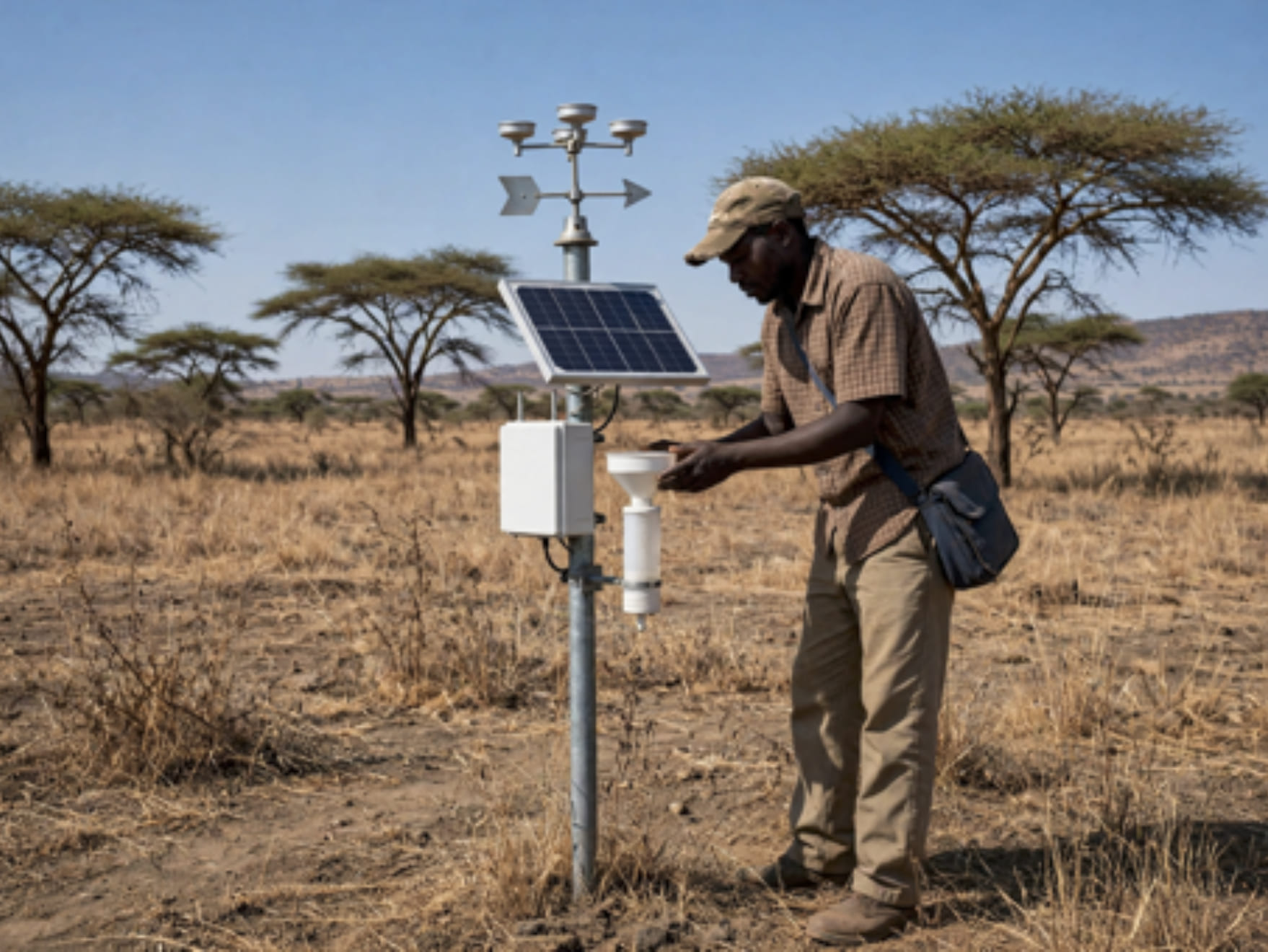
Data starts in the field
Our team reads and maintains weather stations in the communities we serve, and pairs the readings with soil tests. Every message begins with a measurement taken close to the farm it is meant for.
Sample messages, for illustration
What farmers receive
Local knowledge
Farmers, elders and village health teams add what the instruments miss.
Farmers and cooperatives
Planting, dry spell and flood alerts that protect harvests and household food.
Schools and communities
Early warning that keeps children safe on the way to school and in the classroom.
Partners and institutions
Local climate data and analysis for researchers, agencies and programme teams.
Wildlife protection
Making room for wildlife and for people
When elephants and people compete for the same land, both lose. Crops are destroyed, families live in fear, and animals are pushed back, sometimes with deadly force. In Nwoya District, VISO has worked to protect elephants from the pressure of human settlement and to reduce conflict between communities and wildlife.
Our approach
Community dialogue
Bringing farmers, elders, local leaders and wildlife authorities together to agree how land near wildlife areas is used.
Land use and settlement
Working with district and sub-county authorities so that homes and farms are planned away from elephant routes.
Safer coexistence
Practical, low-cost measures that protect crops and families, and early warning when elephants are close.
Livelihoods and learning
Alternative incomes and conservation education in schools, so families and children benefit from living near wildlife.
Partner on wildlife protection
We are looking for conservation agencies, district governments and funders who want to extend this work to other communities living next to wildlife areas.
New initiative
Pay to Grow: Trees That People Are Paid to Keep Alive
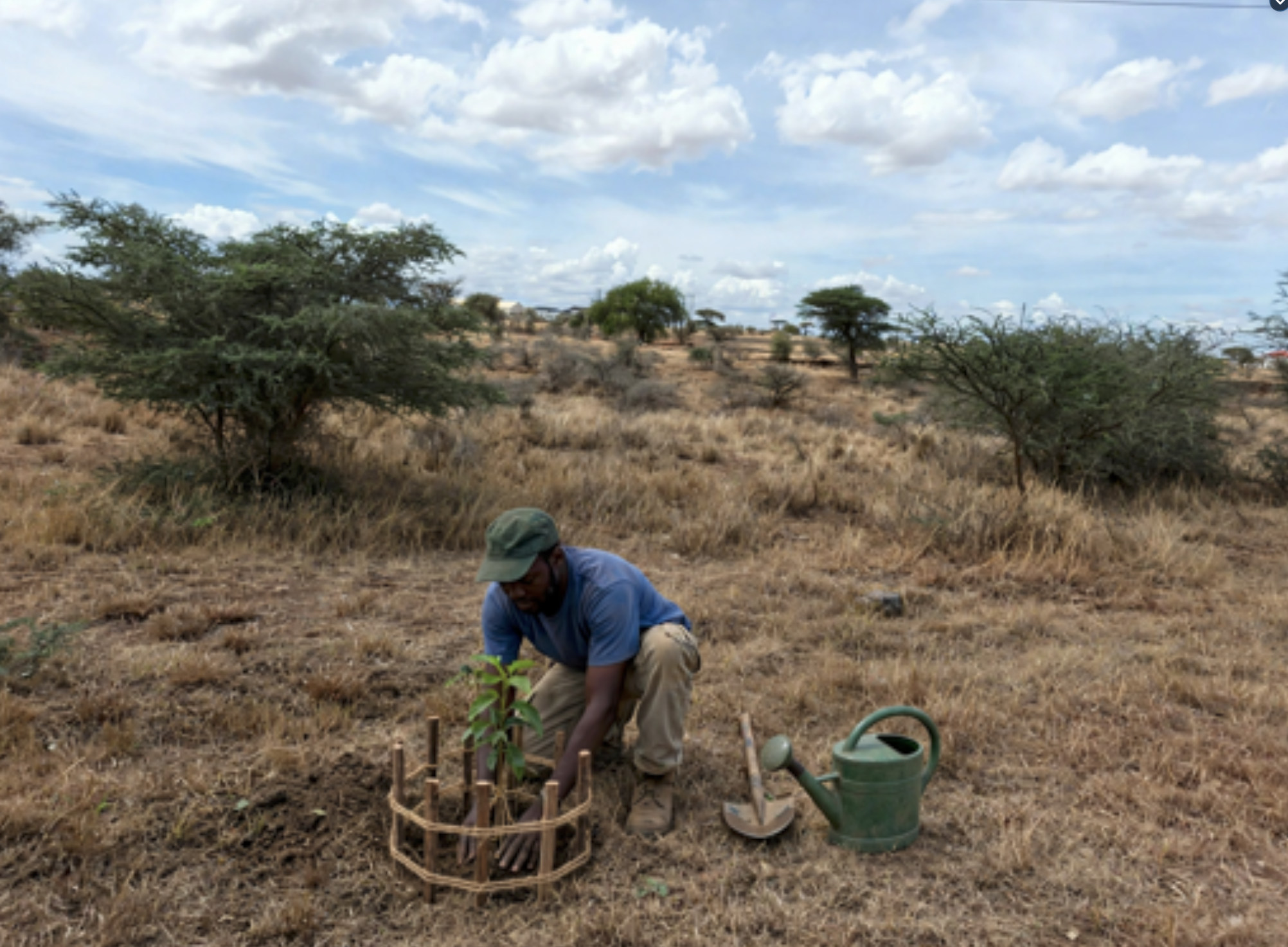
Planting is easy to count. Keeping trees alive is what restores land. Pay to Grow rewards the person who does the caring, sending money straight to their mobile money account.
Choose and plant
Participants plant trees suited to their land, with seedlings and guidance from VISO.
Record growth
Each tree is documented with photos so growth can be checked.
Verify
VISO volunteers and field staff confirm that trees are alive and cared for.
Get paid
Payment goes direct to the individual's mobile money account.
Fund a grower
Your gift reaches an individual planter directly, with no long chain in between. Partners can also sponsor a school, a village or a town.
Fund a growerWater and sanitation
Water, sanitation and resilience
Transforming communities by securing access to safe, clean water and integrating water-smart systems for sustainable development and food security. This work sits within nature conservation because healthy water sources, soil and trees depend on each other.
Three-year programme objectives
Water infrastructure
- Solar-powered borehole drilling and installation
- Hydrogeological site assessments
- Training of local borehole mechanics
- Water quality testing
Health and hygiene
- Community-led total sanitation
- Accessible school water and sanitation facilities
- Handwashing and safe storage campaigns
- Water purification kits
Productive water use
- Low-cost drip irrigation
- Training in efficient water management
- Drought-resistant and high-value crops
- Water access linked to women's income
Governance and ownership
- Water and sanitation committees
- Tariff collection and fund management training
- Links with district water offices
- Outcome-focused monitoring and evaluation
Field Stories
See It In Action
The Circular Advantage bio-energy programme and voices from the communities we work alongside.
Bio-Energy & Livelihoods
How bio-briquettes are protecting women and children from the risks of fuel collection.
Community Testimonies
Beneficiaries share how the environmental protection programme has changed their households.
Get Involved
Help Us Protect What's Left
Every partnership, gift, and enrolment funds the next tree planted and the next alert sent.
Donate
Fund tree nurseries, early warning alerts, and bio-briquette production directly.
Give nowShop to Support
Every La Tedo purchase funds conservation and supports 1,500+ smallholder farmers.
Shop nowTrain with VISO
Join adaptation workshops and green vocational skilling programmes.
Enrol todayPartner with Us
NGOs, researchers and corporates can co-implement conservation projects with VISO.
Partner now